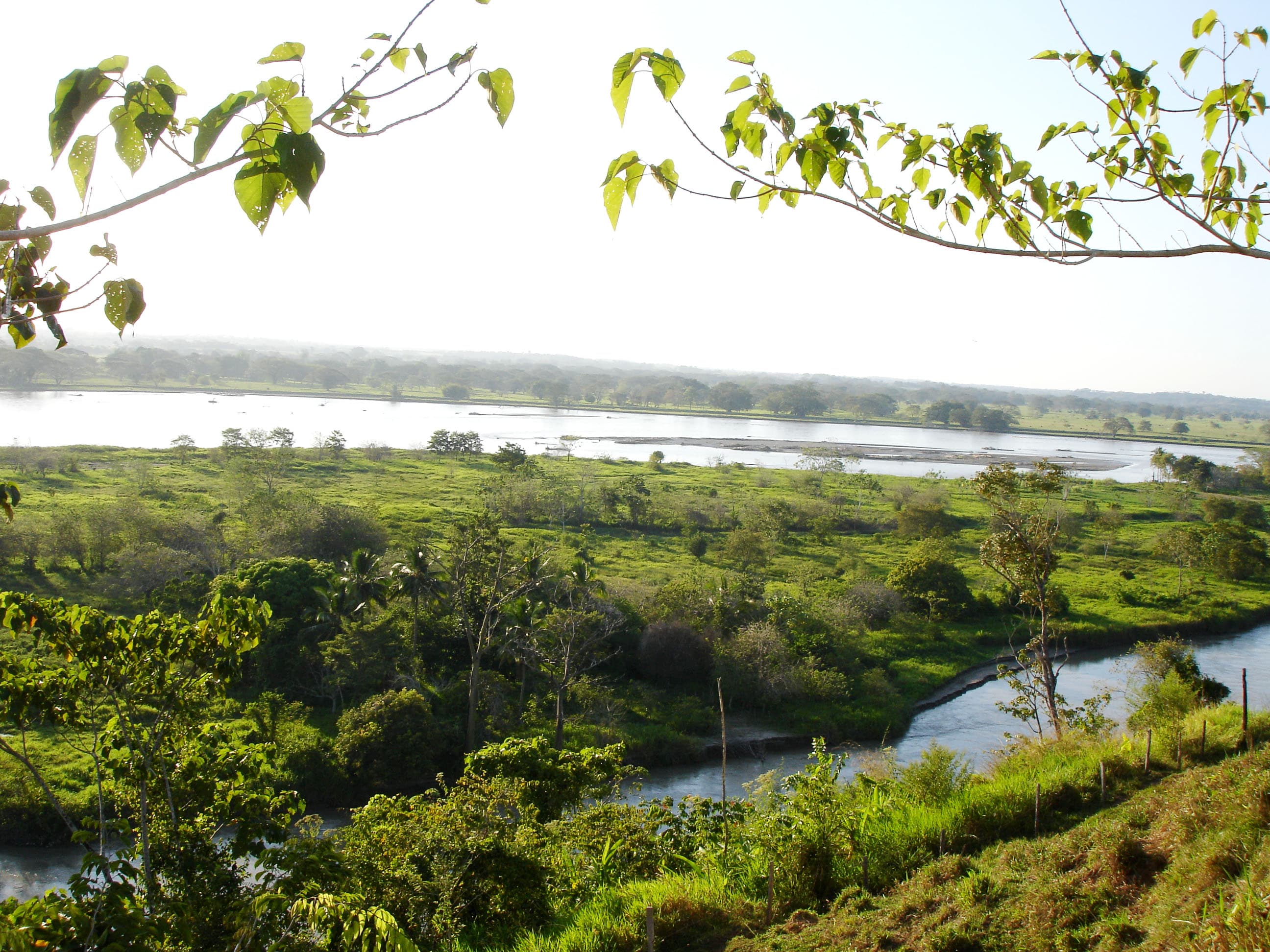
Chilapos: the story behind a contested name in Bajo Cauca
By Equipo MagicAntioquia
Chilapos: the story behind a contested name in Bajo Cauca
In Antioquia's Bajo Cauca — the mining subregion of Caucasia, El Bagre, Zaragoza, Tarazá, Cáceres, and Nechí — it is common to hear the word "chilapo" used for the mostly mestizo, Córdoba-descended rural population that settled these lands. It is worth explaining the term carefully before using it.
An uncertain origin and an unkind history
"Chilapo" (or "chilapa") mainly identifies mestizo peasants from the savannas of Córdoba, Sucre, and Bolívar who migrated to frontier settlement areas such as the Bajo Atrato, Bajo Cauca, and Antioquia's Urabá. The word's exact origin is unclear, but its early use was pejorative: many people labeled this way reject it and prefer to identify simply as "costeños" (coastal people) or "sabaneros" (savanna people). Over time, some communities have reclaimed the term as a cultural identity of their own, but it is not a consensus — which is why MagicAntioquia prefers to explain it rather than use it as if it were a neutral, universally accepted name.
A mining and frontier-settlement culture
Beyond the name, what clearly describes this subregion is its history: agricultural and mining settlement of frontier land, an economy centered on gold (Caucasia, El Bagre, and Zaragoza remain hubs of gold mining in Colombia), and a Caribbean-rooted cattle-herding culture — the "sabanero" trade — transplanted from the savannas of Córdoba and Sucre.
Food and music with a Caribbean accent
Unlike the Paisa Suroeste or Oriente, Bajo Cauca's food and music carry more of a Caribbean than an Andean accent: dishes like mote de queso, suero costeño, and rhythms like vallenato or sabanera music feel as natural here as in Córdoba or Sucre. It is one more sign that Antioquia is not a single culture, but several that share the same departmental map.
A note before traveling
Bajo Cauca has lived through decades of conflict tied to mining and illegal economies, and remains one of Antioquia's subregions with the least documented tourism infrastructure. If you are considering a visit, it is worth researching current conditions carefully before planning the trip — something we will keep expanding on MagicAntioquia as we gather verified, first-hand information.