Coastal Afro-Colombian culture of Urabá: the other Antioquia
By Equipo MagicAntioquia
Coastal Afro-Colombian culture of Urabá: the other Antioquia
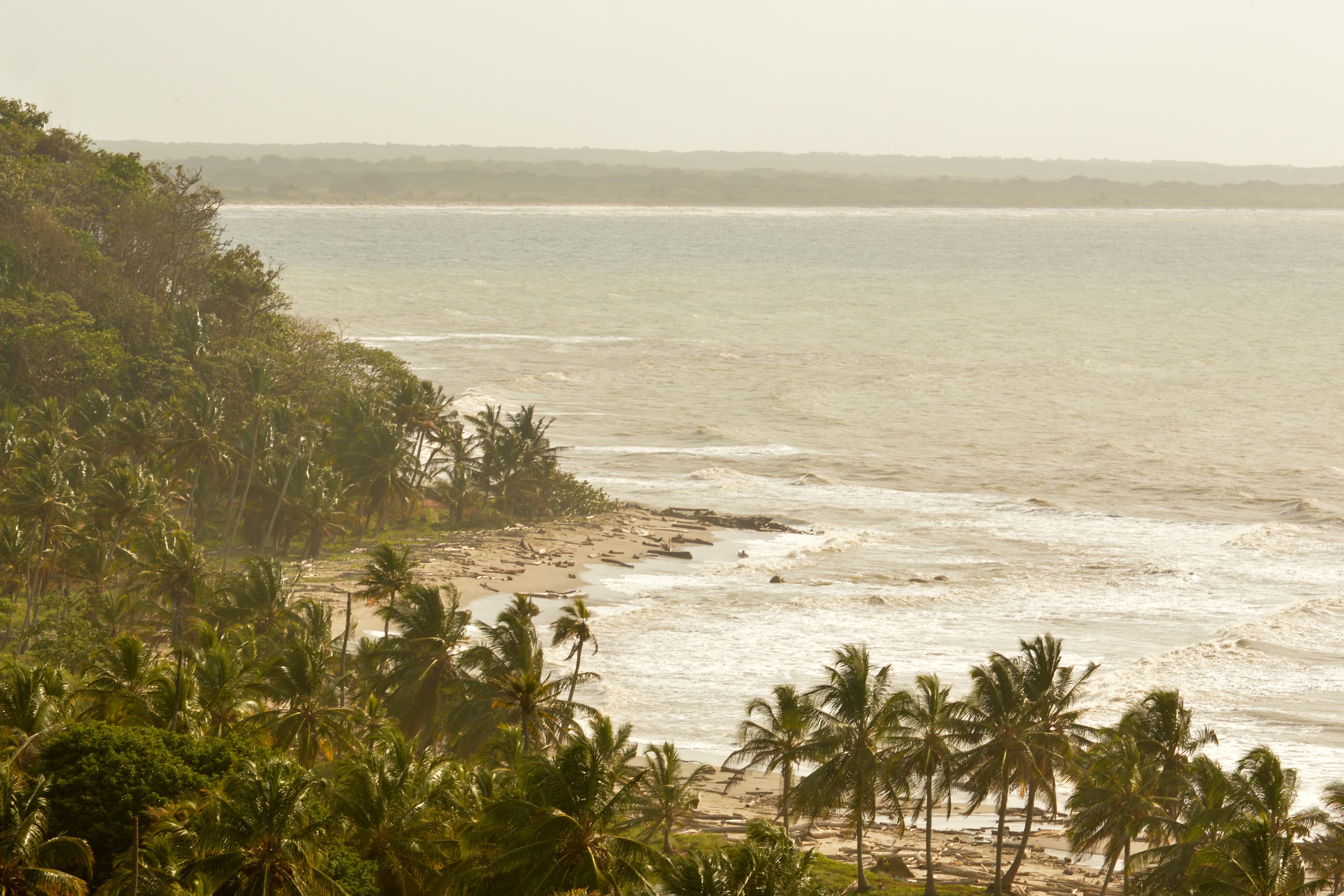
Antioquia's Urabá region — the department's northwestern corner, on the gulf of the same name — has little in common, culturally, with the Antioquia of balcony towns. It is a majority Afro-descendant region, with its own Indigenous communities, that has historically looked toward both the Caribbean and the Chocó Pacific as much as toward Medellín.
Roots before the banana
Before Spanish arrival, these lands were inhabited by the Katío and Nutabe peoples (some sources also mention the Kuna/Tule, present near the border with Panama). The region's Afro-descendant and Indigenous settlement is, in that sense, far older than its economic integration into the rest of Antioquia.
The road to the sea and the banana boom
The Urabá known today mostly took shape from the late 1950s onward, when the road between Medellín and Turbo opened — the so-called "road to the sea" — and the banana industry boom began. That connection brought waves of Paisa settlers to Apartadó, Chigorodó, Carepa, and Turbo, who joined the already-settled Afro-descendant and Indigenous population, along with migrants from Chocó and the Caribbean coast. The result is a region where very different traditions coexist, not always without tension.
A culture of several roots
The music, food, and religious practices of Antioquia's Urabá reflect that mix: Afro, Indigenous, and Caribbean influences coexist with the Paisa culture that arrived later with agricultural and industrial settlement. Coconut, fish, and plantain carry more weight in local cooking than in the rest of the department, and the pace of life — closer to that of the Caribbean coast and Chocó — feels different from Medellín or the Oriente.
Why it matters for travelers
Visiting Urabá expecting to find "the Antioquia of small towns" is a mistake from the start. It is a region with its own history, its own rhythm, and its own identity, still under-documented in traditional tourism guides — which is exactly why it is worth getting to know with the right expectations from the outset.