Antioquia's Nordeste: centuries-old gold mines and an Afro-descendant history
By Equipo MagicAntioquia
Antioquia's Nordeste: centuries-old gold mines and an Afro-descendant history
Segovia, Remedios, and Zaragoza form one of the oldest gold-mining districts in the Americas, with activity documented since before the Spanish Conquest and an identity forged underground rather than on muleteer trails like the rest of Antioquia. Together with Bajo Cauca, it is also one of the department's subregions with the largest Afro-descendant population — for a specific historical reason: colonial mining slavery.
One of Antioquia's oldest towns
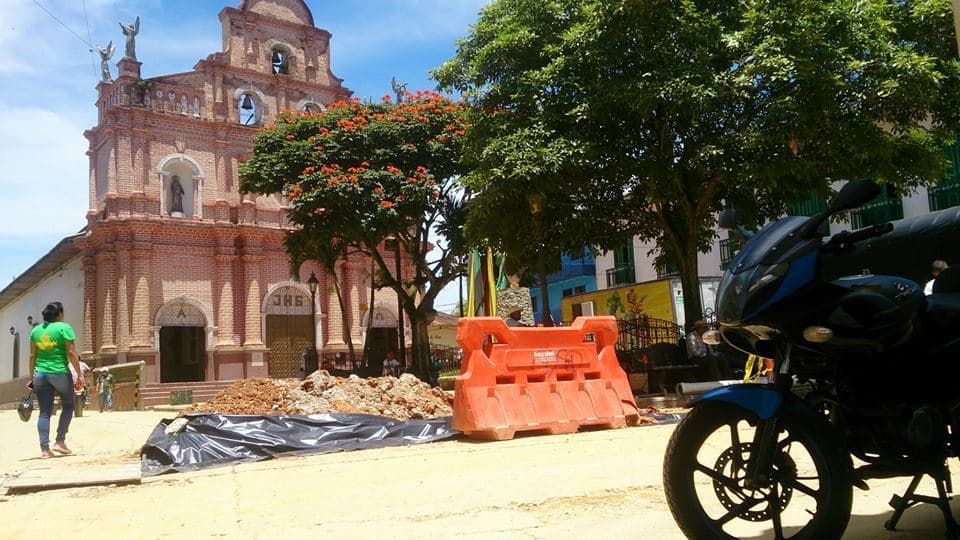
Remedios was founded in 1560, according to the most cited account, when Francisco Martínez de Ospina reached the Corpus Christi valley — which would make it older than Medellín (historians do not fully agree on the exact date, though they agree it is one of the department's oldest settlements). Unlike Santa Fe de Antioquia or the Paisa towns, Remedios was not built as an agricultural or commercial center, but directly around a gold vein, a vocation that has never really been interrupted.
The Nechí palenque
The colonial mining economy depended on the enslaved labor of African and Afro-descendant people. In 1608, a group of enslaved people who had escaped from mines in the area rose up and retreated into the mountains near the Nechí River, blocking trade and mining work, eventually founding a palenque — a community of self-liberated people — in what is now shared territory between Remedios, Zaragoza, and Bajo Cauca. It is one of the oldest historical roots of Antioquia's Afro-descendant population.
From enslaved people to independent miners
As slavery in the region entered its final crisis toward the late 18th century, many formerly enslaved people became small-scale independent miners known as "mazamorreros" — a tradition of artisanal gold panning that, in various forms, is still alive in the Nordeste today.
A mining tradition still in dispute
Today Remedios and Segovia hold hundreds of mines that have been worked since the 19th century, and the activity remains a source of tension between large mining companies and traditional miners. It is a subregion with deep history but still-limited tourism infrastructure — worth keeping in mind, as with Bajo Cauca, before planning a visit.